The Broward County Property Appraiser (BCPA) is a key office in Broward County, Florida. Its main job is to identify, value, and classify all real estate and personal property in the county. This work helps make sure property taxes are shared fairly among residents and businesses. Property taxes do more than appear on a bill—they fund local government, including schools, public safety, roads, and community services. Knowing what the BCPA does is important for homeowners, buyers, and businesses. Whether you are buying your first home, applying for a homestead exemption, or checking your yearly TRIM notice, the office gives you the tools and information you need to make good decisions. With clear, easy-to-use online services, the Broward County Property Appraiser Property Search helps residents navigate the sometimes confusing world of property taxes.
Keep in mind that the Broward County Appraiser figures out property values and applies exemptions, but does not set tax rates or collect taxes. Local taxing authorities and the Broward County Tax Appraiser handle those tasks. Many property owners find this confusing, but knowing the difference helps you ask the right questions and avoid frustration.
Or
Marty Kiar currently leads the office and focuses on making services accessible, preventing fraud, and engaging the community. Programs like the Owner Alert Program help protect property owners from deed fraud. Thanks to his leadership, the Broward Appraiser is known for being open and efficient in property appraisal.
Contents
- 1 Broward County Property Appraiser Property Search Guide!
- 2 Broward County Property Appraiser’s Role and Responsibilities!
- 3 Property Valuation and How Assessments Are Calculated
- 4 Florida Exemptions and Benefits!
- 5 TRIM Notices, Appeals, and the Value Adjustment Board
- 6 Online Tools and Services!
- 7 Filing and Maintaining Exemptions!
- 8 Property Appraiser Common Scenarios!
- 9 Property Assessment Deadlines and Annual Cycle!
- 10 Tips for Property Owners
- 11 Contact and Assistance!
- 12 About Broward County
- 13 FAQs
Broward County Property Appraiser Property Search Guide!
- Step 1: First, open your browser and go to bcpa.net. From the homepage menu, select Broward County Property Appraiser Property Search to begin your search.
- Step 2: Next, decide how you want to search. You can enter a property address, type in the owner’s name, or use the parcel/folio number that uniquely identifies the property.
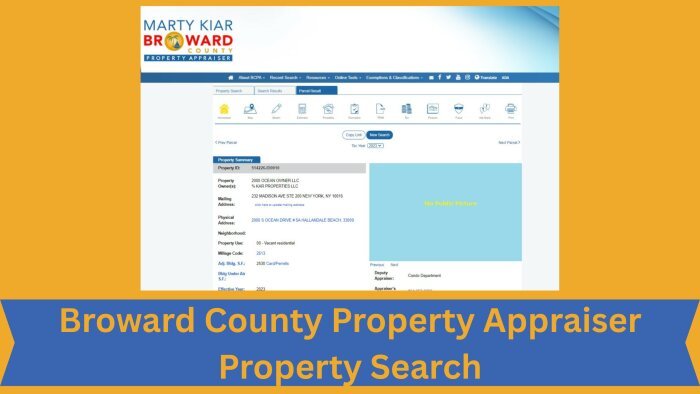
- Step 3: Enter the information into the search field. Make sure everything is correct by checking the spelling and numbers before you click Search.
- Step 4: Once the results appear, review the list of properties provided. Select the correct property to open its record, where you will see details such as the owner’s name, property address, assessed and taxable values, legal description, sales history, and exemption status.
- Step 5: Next, try out the extra tools. You can look at maps and aerial photos, check the tax history to see past assessments, and print or save property records for your files.
- Step 6: If you own a home, you can apply for exemptions like the Homestead right on the website. Deadlines, such as March 1, are easy to find, so make sure to file before they pass.
- Step 7: Watch for TRIM notices, which are proposed tax notices sent out in mid-August. Keeping up with these helps you avoid missing exemption or appeal deadlines.
Broward County Property Appraiser’s Role and Responsibilities!
The Broward County Property Appraiser makes sure every property in the county is assessed fairly. This includes several main tasks:
- Property Valuation: Each year, the office determines the fair market value of residential, commercial, and industrial properties. This valuation reflects what a willing buyer would pay a willing seller in an arm’s-length transaction.
- Property Classification: Properties are grouped by use, such as residential, commercial, agricultural, or industrial. Correct classification ensures each property is taxed correctly.
- Exemptions Administration: The office manages exemptions, including the Homestead Exemption, senior citizen exemptions, veteran benefits, and disability exemptions. These programs reduce taxable value and provide financial relief to qualifying property owners.
- Public Records Access: The Broward Property Appraiser Search system is built on transparency. The office offers searchable databases, parcel maps, and ownership histories so residents can check property details and see changes. Many of these tools are available on the portal.
- Roll Certification: Each year, the office certifies the tax roll to taxing authorities, ensuring compliance with Florida statutes and professional appraisal standards.
It is also important to know what the office does not do. The Property Appraiser Broward County does not set millage rates, send out tax bills, or collect taxes. Elected boards and the Broward County Tax Appraiser handle those jobs. The Broward County Appraiser’s job is only to determine property values and apply exemptions.
Property Valuation and How Assessments Are Calculated
Property valuation is at the heart of the BCPA’s work. The office uses several approaches to determine fair market value:
- Sales Comparison Approach: This method compares a property to recent sales of similar properties in the area, adjusting for differences in size, age, condition, and features.
- Cost Approach: This estimates the cost to rebuild the structure today, subtracting depreciation, and adding land value.
- Income Approach: For rental and commercial properties, the office analyzes net operating income and market capitalization rates to estimate value based on income potential.
The valuation process produces three key figures:
- Just Value (Market Value): The estimated price a property would sell for in the open market.
- Assessed Value: The value after applying assessment caps, such as the Save Our Homes limitation.
- Taxable Value: The value after subtracting exemptions, which is then multiplied by the millage rates to calculate taxes.
The office updates property values every year to keep them accurate. Staff review building permits, sales data, and aerial photos to spot changes in properties. For example, adding a pool or updating a kitchen can raise your property’s value, while damage can lower it. The Broward Property Search Tool lets owners review these updates and ensure the information is correct.
Florida Exemptions and Benefits!
Florida law provides several exemptions and benefits to property owners, all administered by the Broward County Property Appraiser.
Homestead Exemption
The Homestead Exemption reduces taxable value by up to $50,000 for primary residences. To qualify, the property must be your permanent residence as of January 1, and you must apply by March 1. Once approved, the exemption typically renews automatically through the system.
Save Our Homes Cap
This program limits annual increases in assessed value for homesteaded properties to the lower of 3% or the change in the Consumer Price Index. It protects homeowners from sudden spikes in property taxes during hot real estate markets. The BCPA ensures compliance with this cap.
Portability
Homeowners can transfer up to $500,000 of their Save Our Homes differential to a new homestead within Florida. This benefit reduces the assessed value of the latest property, lowering taxes. The Broward Property Search Tool helps calculate portability benefits.
Other Exemptions:
- Senior Low-Income Exemption: Provides additional relief for homeowners aged 65+ who meet income thresholds.
- Veteran Exemptions: Discounts and exemptions for disabled veterans and surviving spouses.
- Widow/Widower Exemption: A modest reduction for surviving spouses.
- Tangible Personal Property Exemption: A $25,000 exemption for businesses’ tangible personal property.
- Agricultural Classification: Reduced valuation for bona fide agricultural use.
The Broward County Appraiser ensures these exemptions are issued fairly, and the Broward Appraiser team helps residents with the application process.
TRIM Notices, Appeals, and the Value Adjustment Board
Each summer, property owners receive a Truth-in-Millage (TRIM) Notice. This document shows prior and current values, proposed millage rates, and estimated taxes. It is not a bill but an informational notice that allows property owners to review and, if necessary, challenge their assessments.
If you believe your property has been incorrectly valued, you can request an informal review with the Broward County Property Appraiser. Many issues can be resolved by providing documentation such as appraisals, contractor invoices, or photos showing property condition.
If the issue is not resolved, you can file a petition with the Value Adjustment Board (VAB). The VAB is independent of the Broward County Property Appraiser and hears petitions challenging property values or exemptions. Petitions must be filed within 25 days of TRIM mailing. Hearings involve presenting evidence such as comparable sales, income statements, or expert testimony.
The Broward Property Appraiser provides guidance and resources, and the Broward County Appraiser works to ensure valuations remain fair. Property owners can use the Broward Property Search tool to check property details before making an appeal.
Online Tools and Services!
The BCPA provides a wide range of online tools to make property management easier:
- Property Search Database: Allows users to search by address, owner name, or parcel number. This is part of the Broward County Property Appraiser Property Search system.
- Interactive GIS Maps: Show parcel boundaries, aerial imagery, flood zones, and municipal boundaries.
- Home Buyer’s Tax Estimator: Projects anticipated taxes based on purchase price.
- Portability Estimator: Calculates potential tax savings transfer.
- Owner Alert Program: Notifies property owners of changes in ownership documents, helping prevent fraud.
These tools let you manage property tasks without having to go to the office. The Broward County Property Search at www.bcpa.net and the Broward Property Search at bcpa.net make it easy for residents to check property details. The Broward Property Appraiser keeps these online services clear and easy to use.
| Official Name | Broward County Property Appraiser |
|---|---|
| Use | Property Search |
| Type | Portal |
| Language | English |
| Country | USA |
Filing and Maintaining Exemptions!
When filing for exemptions, pay close attention to deadlines and have your documents ready.
Homestead Filing
To file for a Homestead Exemption:
- Confirm eligibility by making the property your permanent residence by January 1.
- Gather documents such as a Florida driver’s license, voter registration, and a recorded deed.
- Apply online or in person by March 1 through bcpa.net or the Broward County Property Appraiser Property Search portal.
- Monitor your application status.
- Maintain compliance by notifying the Broward County Property Appraiser of changes in residency or property use.
Portability and Other Benefits
Portability applications must be filed with new homestead applications. Senior and veteran exemptions may require annual renewal, while statutory deadlines require filing tangible personal property returns. The Broward property search tool at www.bcpa.net helps residents track exemption status.
The Broward County Appraiser ensures exemptions are granted fairly, and the Broward Appraiser team helps property owners through the process. The Property Appraiser Broward County office focuses on keeping exemption filings clear and open.
Property Appraiser Common Scenarios!
Buying a Home
The first‑year assessed value often reflects the market price. Homestead and Save Our Homes benefits begin after filing with the BCPA. Using the Broward County Property Appraiser Property Search tool helps new homeowners verify assessed values.
Selling and Moving
Review portability options before listing your home. Keep records of prior assessed values for portability calculations. The Broward property search feature at bcpa.net ensures accurate portability transfers. The Broward County Appraiser provides guidance for sellers.
Remodeling
Permitted improvements increase market value. Ensure improvements are accurately reflected to avoid incorrect assessments. The Broward Property Appraiser office updates records through the Broward County Property Search system.
Renting a Homestead
Extensive rental activity may jeopardize homestead status. Clarify rules with the BCPA to avoid penalties. The Broward Appraiser team emphasizes compliance and transparency when reviewing homestead rental cases.
Property Assessment Deadlines and Annual Cycle!
Key dates include: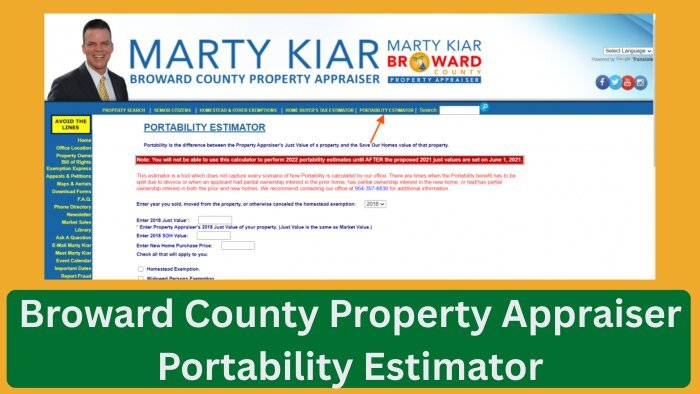
- January 1: Assessment date established by the Broward County Property Appraiser.
- March 1: Deadline to file exemptions. Applications can be submitted online via bcpa.net or through the portal.
- August: TRIM Notices mailed by the Broward County Property Appraiser.
- Fall: Value Adjustment Board (VAB) hearings held independently of the Property Appraiser Broward County office.
- November: Tax Collector issues bills in coordination with the Broward County Tax Appraiser.
Knowing these deadlines helps property owners avoid missing out or facing penalties. The Broward Property Search Tool provides reminders and updates, and the Broward Appraiser team ensures everyone follows Florida rules.
Tips for Property Owners
Property owners can take steps to make sure their information is accurate and fair:
- Verify property details, including square footage and construction type, using the Broward County Property Appraiser Property Search system.
- Confirm exemptions appear annually through the office.
- Use online estimators at www.bcpa.net and the Broward Property Search feature at bcpa.net to project tax obligations.
- Provide evidence, such as comparable sales or condition documentation, when appealing valuations with the Broward County Appraiser.
- Consult the Broward Property Appraiser team for guidance when filing exemptions or reviewing TRIM notices.
- The Property Appraiser Broward County keeps the appeals process open and clear, while the Broward County Tax Appraiser works with the Tax Collector to handle billing.
- The Broward Appraiser focuses on making property assessments fair and accurate.
Contact and Assistance!
The BCPA offers several ways to get help, so residents can choose what works best for them.
- Online Services:
The BCPA website is the primary source for property information. It offers tools for property searches, exemption filings, tax estimates, and map viewing. Many tasks that used to require a visit can now be done online, saving you time. The property search feature is especially useful for checking ownership and values.
- Outreach Events:
The Broward County Appraiser holds mobile outreach events across the county. At these events, residents can file exemptions, ask questions, and get personal help without going to the main office. These events are especially helpful for seniors and anyone who has trouble traveling. The Broward Appraiser team ensures property owners receive the support they need.
- Phone and Email Support:
If you like to talk directly, the office offers phone and email support. Having your parcel ID or property address ready helps staff assist you faster. The Property Appraiser Broward County staff aims to be quick and accurate.
- In‑Person Visits:
The Broward County Property Appraiser office is open for in-person help if you need it. Bring documents such as deeds, ID, and utility bills to ensure your visit goes smoothly. The Broward County Tax Appraiser works with the office to keep property records and tax matters in order.
About Broward County
The Broward County Property Appraiser (BCPA) is a constitutional office established under Florida law to serve the residents of Broward County. Its mission is to fairly and equitably assess all real and tangible personal property, ensuring that the tax burden is distributed appropriately across the community. By maintaining accurate property records and applying exemptions correctly, the office helps fund essential public services, including schools, public safety, and infrastructure.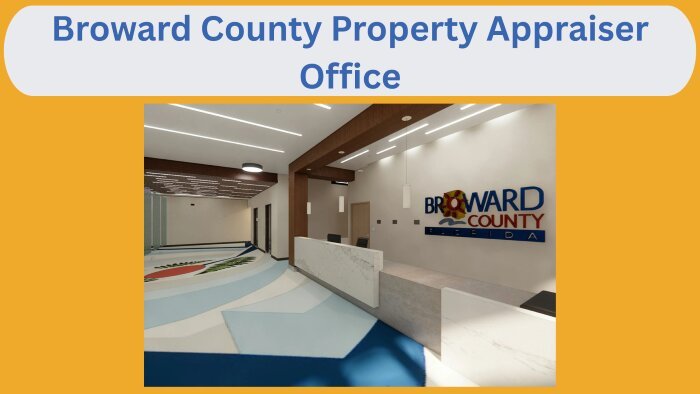
Marty Kiar leads the office and focuses on being open, easy to reach, and preventing fraud. Under his leadership, the Broward Property Appraiser has added more online services, launched the Owner Alert Program to combat deed fraud, and increased community outreach through mobile events and education. These efforts show the office’s commitment to protecting property owners and making information easier to access.
The BCPA operates independently of taxing authorities and the Tax Collector. While it determines property values and applies exemptions, it does not set tax rates or collect taxes. This distinction is essential for property owners to understand, as questions about millage rates or tax bills must be directed to the appropriate taxing authority or the Broward County Tax Appraiser.
In the end, the Broward County Property Appraiser works to keep property taxes fair and helps residents with property ownership. By using professional standards, new technology, and community outreach, the office keeps the property tax system open, fair, and responsive to residents’ needs. The Broward County Appraiser and team focus on fairness, and the office ensures compliance with Florida laws.
FAQs
How do I contact the Broward County property appraiser?
You can reach the Broward County Property Appraiser at their main office, 115 South Andrews Avenue, Room 111, Fort Lauderdale. Phone support is available at 954‑357‑6830, and online services are offered through bcpa.net. Office hours are Monday–Friday, 8:00 AM to 5:00 PM. The Broward County Property Appraiser Property Search system at www.bcpa.net provides additional contact resources.
Can a property appraiser enter your property in Florida?
Florida law allows property appraisers to inspect property for assessment purposes, but they cannot enter your home’s interior without permission. Exterior inspections, aerial imagery, and public records are typically used. Owners have privacy rights under Florida’s Taxpayer Bill of Rights, which ensures appraisers respect property boundaries during valuation. The Broward County Appraiser and the Broward Appraiser team strictly follow these guidelines.
How to find out who owns a property in Broward County?
Ownership details are public records maintained by the Broward County Property Appraiser. Using the Broward County Property Search tool at www.bcpa.net, you can look up property ownership by address, parcel ID, or owner name. Results include legal descriptions, assessed values, exemptions, and recorded ownership history. The Broward Property Appraiser Search feature makes this process transparent and straightforward.
When can I pay Broward County property taxes?
Property tax bills in Broward County are mailed annually on November 1. Payments are due by March 31 of the following year. Discounts are offered for early payment: 4% in November, decreasing by 1% each month until March. Payments are handled by the Broward County Tax Appraiser and Tax Collector, not the property appraiser.
Are Broward property taxes public record?
Yes. Broward County property taxes are part of the official tax roll, which is a public record. The roll includes ownership, assessed values, exemptions, and tax obligations for all parcels. Maintained by the Broward County Property Appraiser, it is updated annually and accessible online for residents and professionals. The Property Appraiser of Broward County ensures these records remain accurate and transparent.
Final Takeaways!
The Broward County Property Appraiser (BCPA) is important for keeping property taxes fair and open in Broward County. By valuing property correctly, applying exemptions, and keeping public records, the office helps share the tax load fairly and supports key services like schools, public safety, and roads.
For property owners, knowing these responsibilities helps you manage exemptions, check assessments, and handle TRIM notices. The Broward County Property Appraiser Property Search at www.bcpa.net gives you easy access to ownership records, values, and exemption details. The property search feature lets residents quickly confirm property information.
The Broward County Appraiser figures out property values but does not set tax rates or collect taxes. Local taxing authorities and the Broward County Tax Appraiser handle those jobs. Knowing this difference helps property owners ask the right office and avoid confusion.
In the end, the office works to keep things fair and acts as a helpful resource for residents. By adhering to professional standards, leveraging new technology, and engaging in community outreach, the Property Appraiser for Broward County keeps the property tax system open, fair, and responsive to residents’ needs.